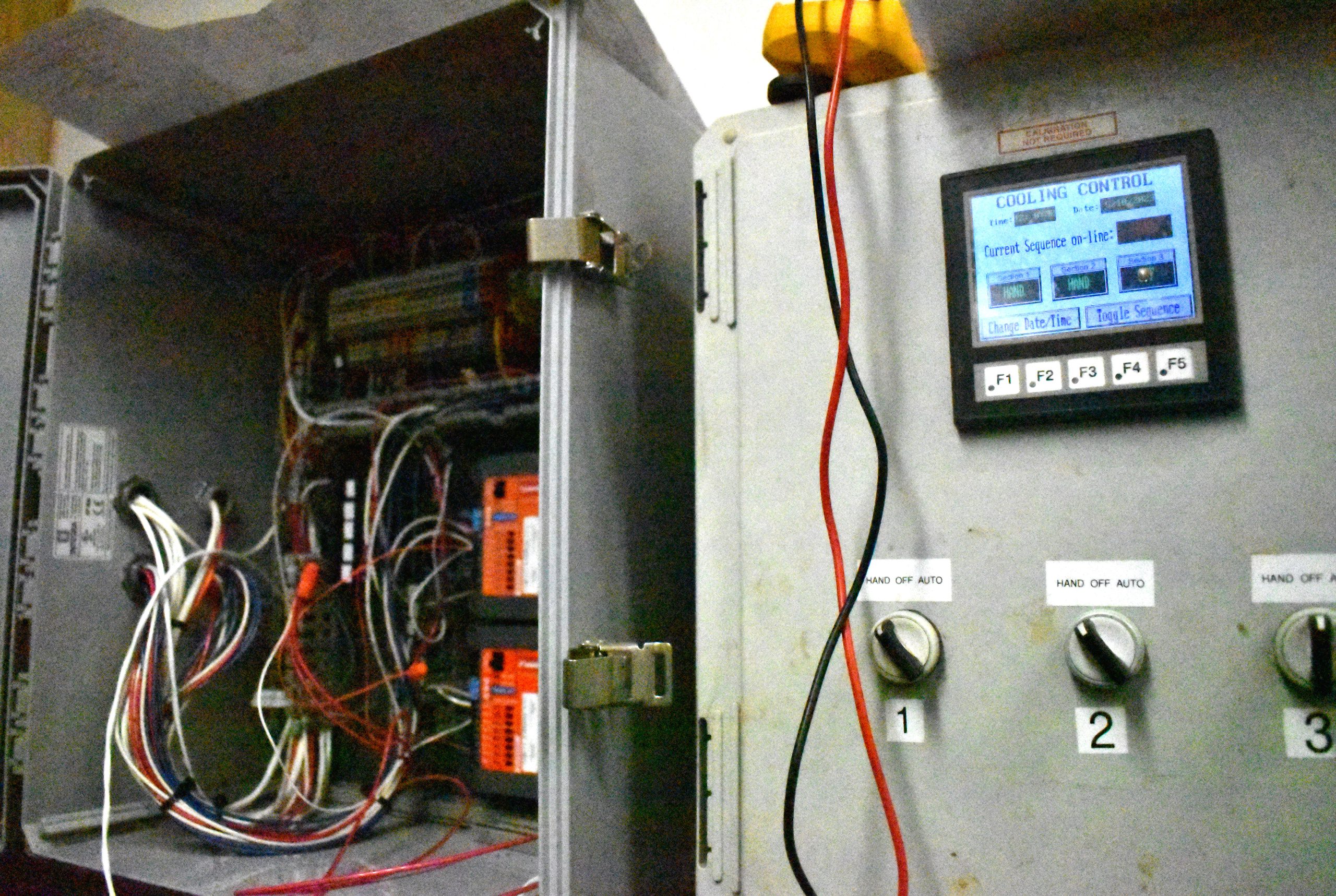
The Tech Etch project focused on improving the energy efficiency, reliability, and overall performance of a manufacturing facility in Plymouth, Massachusetts. The project included upgrades to several of the facility’s major energy-consuming systems, with the goal of reducing operating costs while creating a more comfortable and productive working environment.
Project details
Location: Plymouth, Massachusetts
Customer: Tech Etch
Project Type: Manufacturing Facility Energy Efficiency Upgrades
HVAC Upgrades: High-efficiency rooftop units and new air-cooled chiller
Lighting Upgrades: LED lighting with motion-sensor controls
Lifetime Energy Savings: 150,000 MMBTUs of natural gas and 15 MWh of electricity
Services: HVAC equipment replacement, chiller installation, LED lighting upgrades, and lighting controls
Project overview
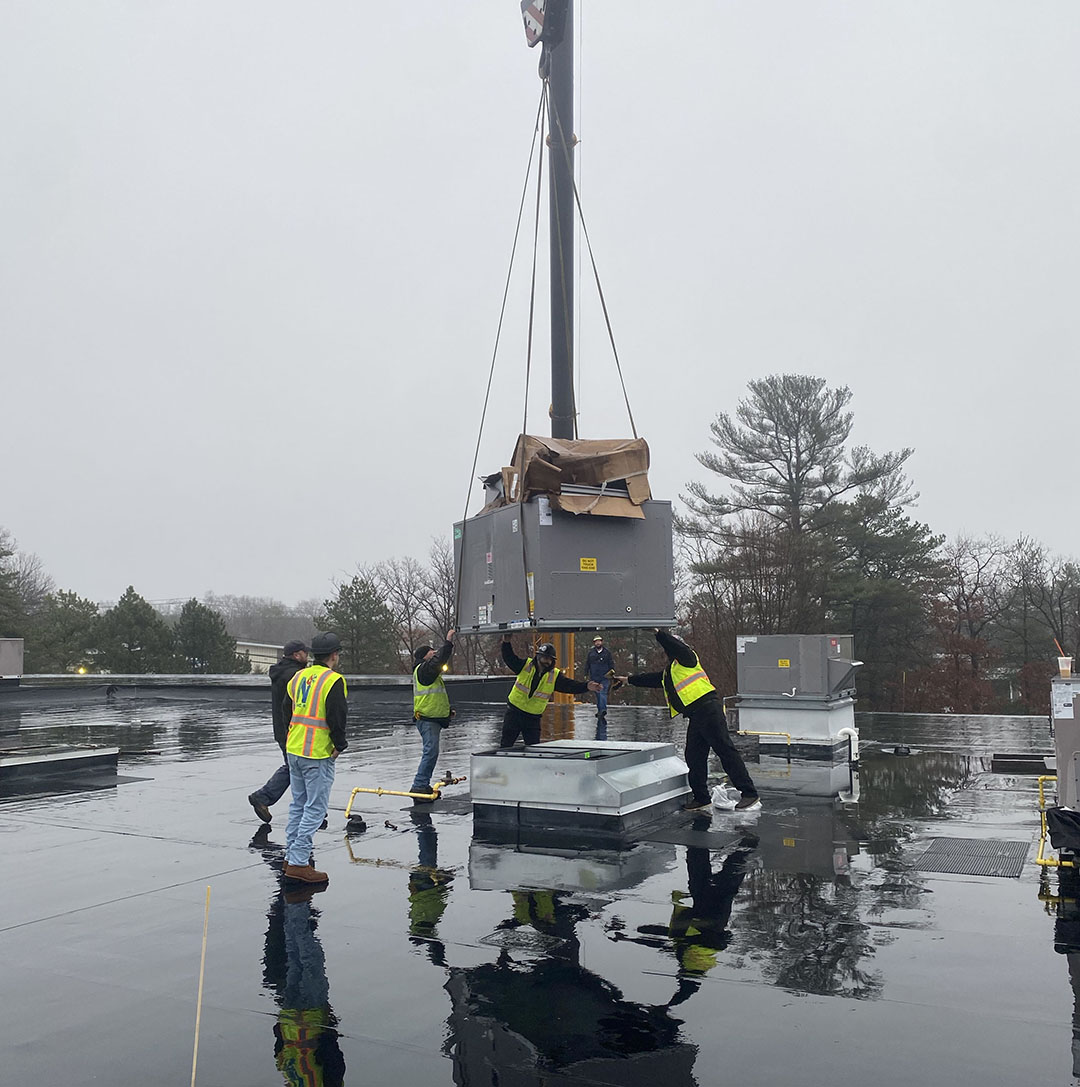
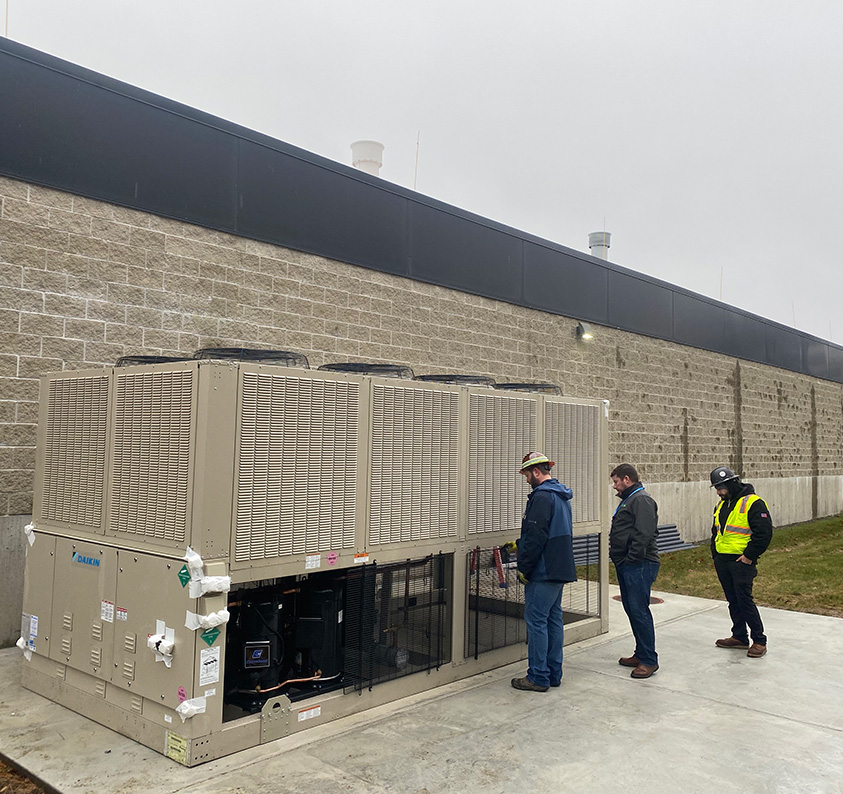
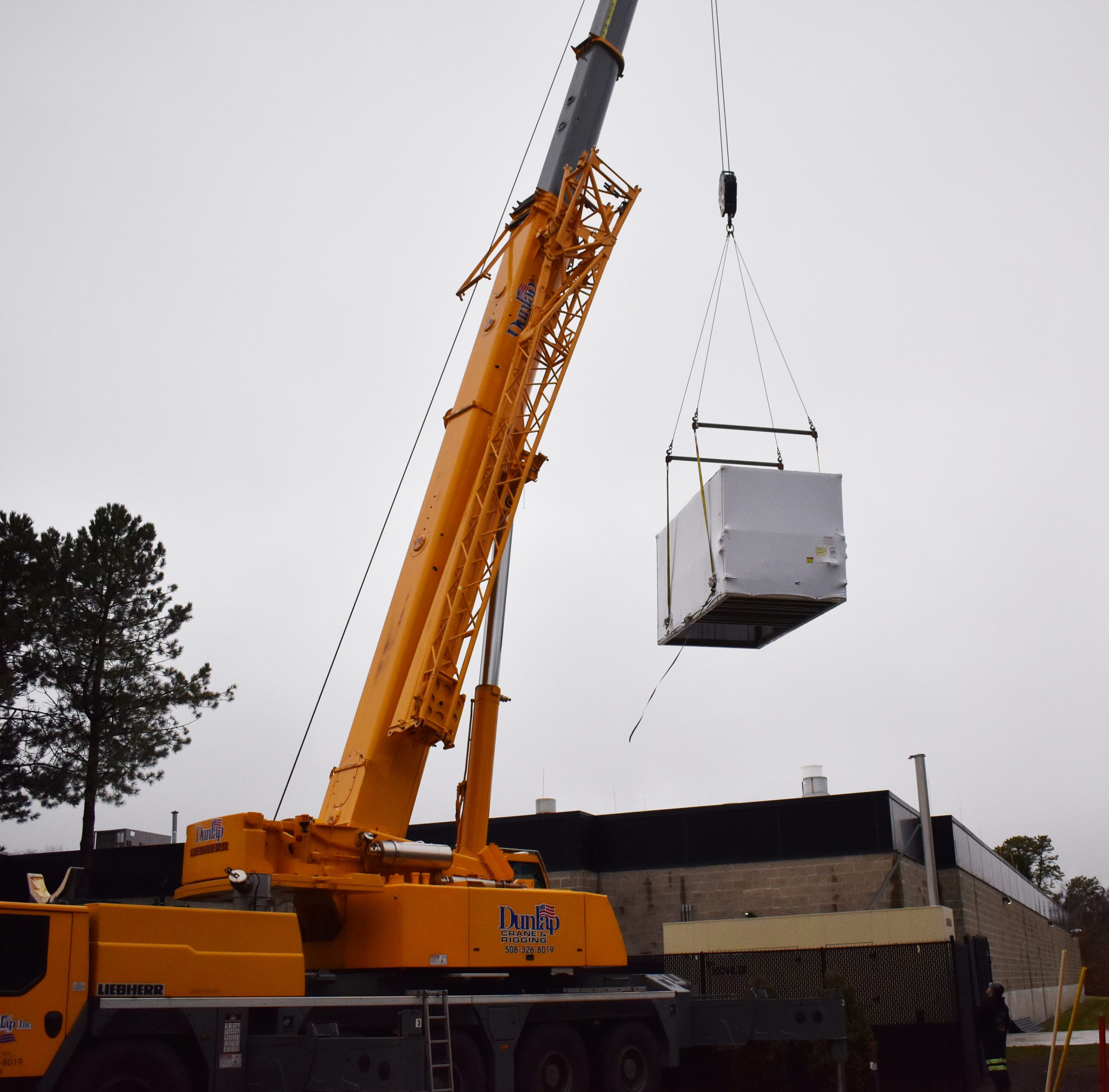
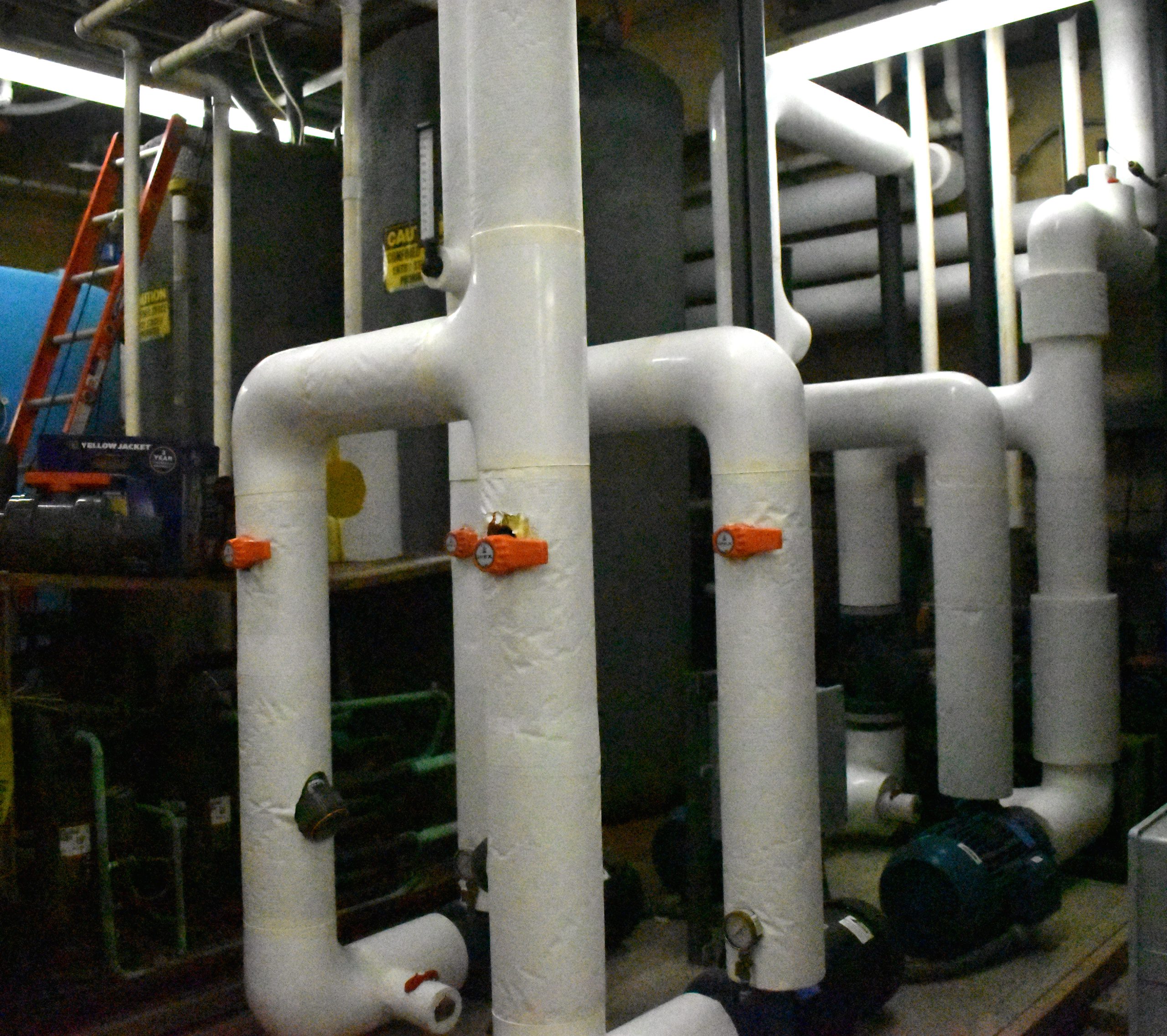
As part of the project, existing rooftop units were replaced with high-efficiency units, providing improved HVAC performance while reducing energy consumption and maintenance requirements. A new air-cooled chiller was also installed to modernize the facility’s cooling infrastructure and improve the reliability and efficiency of the building’s mechanical systems.
The project also included a comprehensive lighting upgrade. Existing lighting was replaced with energy-efficient LED fixtures throughout the facility, providing improved illumination while reducing electricity use and extending the life of the lighting equipment. Motion-sensor controls were incorporated to automatically reduce lighting in unoccupied areas, further improving the efficiency of the system.
These improvements are expected to provide significant long-term benefits for Tech Etch, including reduced energy and maintenance costs, improved equipment reliability, extended equipment life, and an enhanced working environment for employees.
Over the lifetime of the project, the upgrades are expected to save approximately 150,000 MMBTUs of natural gas and 15 MWh of electricity, demonstrating the significant impact that targeted energy-efficiency improvements can have on the long-term performance of a manufacturing facility.